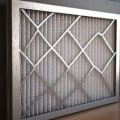
After years of observing how different home environments affect filter performance, one thing stands out: pets and dust are the most underestimated culprits behind shortened air filter lifespans. Every wagging tail, stray hair, and layer of household dust doesn’t just settle on floors and furniture — it clogs the fibers of your air filter, forcing your HVAC system to work harder and your filter to lose efficiency faster.
In homes with pets or higher dust levels, a 16×24×4 air filter can reach its limit weeks sooner than the standard replacement schedule suggests. That early clogging doesn’t just mean more frequent changes — it directly impacts airflow, energy use, and even the quality of the air your family breathes.
This guide unpacks what really happens inside your filter as it traps pet dander and fine dust, how to tell when it’s nearing the end of its life, and proven ways to extend its performance naturally — so you can maintain cleaner air, protect your system, and make every filter change truly count.
Quick Answers
16×24×4 Air Filter
A 16×24×4 air filter is a high-capacity HVAC filter designed to capture dust, pet dander, pollen, and airborne particles while maintaining strong airflow. Its 4-inch thickness offers longer life and better filtration than thinner filters.
Key points:
Ideal for homes with pets, allergies, or heavy dust.
Replace every 60–90 days, or 30–60 days in multi-pet homes.
Use a MERV 8–13 rating for balanced efficiency and clean air.
Check monthly — visible gray buildup means it’s time to replace.
Insight: A thicker 16×24×4 filter traps more pollutants with less resistance — protecting your system, improving air quality, and lowering energy strain.
Top Takeaways
Pets and dust can shorten a 16×24×4 filter’s lifespan by 30–50%.
Indoor air is often 2–5× more polluted than outdoor air.
Clean filters improve airflow, lower energy use, and protect HVAC systems.
Check your filter every 30 days, especially in homes with pets or high dust.
Consistent maintenance keeps air cleaner and systems running longer.
How Pets and Dust Affect the Performance and Longevity of a 16×24×4 Air Filter
A 16×24×4 air filter is designed to last longer than thinner filters — often up to 3 months or more — but its actual lifespan depends heavily on what’s floating around your home’s air. Two of the biggest factors that can shorten that lifespan are pet dander and household dust.
1. How Pets Affect Air Filter Lifespan
Pets shed fur, dander, and microscopic skin flakes that quickly accumulate in the air. Even with regular cleaning, these particles constantly circulate through your HVAC system. Each pass through the vent sends more debris into the filter, creating dense buildup that restricts airflow. In multi-pet homes or those with long-haired breeds, filters can clog up 30–50% faster than the manufacturer’s suggested replacement interval.
2. The Role of Dust in Filter Efficiency
Dust is more than what you can see — it’s a blend of lint, pollen, fibers, and fine dirt that settles on surfaces and in ducts. High foot traffic, open windows, or nearby construction can dramatically increase dust levels. As these particles fill the filter’s fibers, airflow resistance builds, making your HVAC fan work harder while reducing energy efficiency and indoor air quality.
3. Signs It’s Time to Replace Your Filter
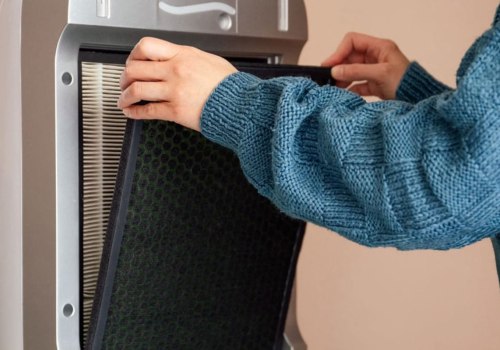
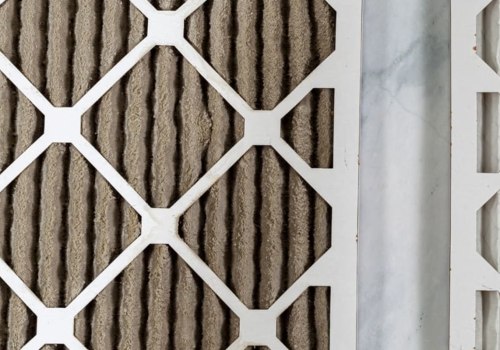
If you notice rooms getting dustier, more sneezing or allergy flare-ups, or weaker airflow from vents, your filter may already be overloaded. A quick visual check — if the filter looks gray or matted — means it’s no longer trapping pollutants effectively and should be replaced.
4. How to Extend Filter Life Naturally
You can’t eliminate pet dander or dust completely, but you can minimize buildup. Groom pets regularly, vacuum with a HEPA filter, seal window and duct leaks, and use high-quality filters rated for pet households. Even small habits like changing filters on schedule or running your HVAC fan less often can make a measurable difference.
By staying proactive, you’ll not only extend the life of your 16×24×4 air filter but also maintain cleaner, healthier air and reduce strain on your HVAC system, keeping your home environment more efficient and comfortable year-round.

“In homes with pets, we’ve seen 16×24×4 filters reach full capacity in half their expected lifespan—not because they’re low quality, but because pet dander and fine dust never stop circulating. Every hair, sneeze, and open window adds to the workload your filter quietly takes on each day. Understanding that invisible buildup is the first step toward keeping your air cleaner and your system running stronger.”
Essential Resources for Understanding and Extending the Life of a 16×24×4 Air Filter
Cleaner air starts with knowing what’s really happening inside your HVAC system.
Whether you’re choosing your first 16×24×4 filter or fine-tuning your replacement routine, these trusted resources break down the science, real-world performance, and practical steps to protect your home’s air — and the people who breathe it.
1. Decode Filter Ratings and What They Mean for Your Home
Top Tips for Selecting Furnace HVAC Air Filters 16×24×4 Based on MPR Ratings
Learn how MPR ratings translate to real filtration power. This guide helps you match your filter to your family’s lifestyle — whether you’re managing pet hair, allergies, or everyday dust.
2. Discover How Thicker Filters Deliver Cleaner Air
16×24×4 Air Filters — Do They Really Improve Indoor Air Quality?
Explore hands-on testing that reveals how 4-inch filters capture more pollutants while easing strain on your HVAC system. It’s a deeper look at how design impacts the air you breathe.
3. Choose the Right Size, Fit, and Efficiency
Guide to Selecting Furnace HVAC Air Filters 16×24×4 and 16×20×4 for Optimal Air Quality
This straightforward guide helps you size your filter correctly, compare MERV ratings, and find the balance between airflow and filtration that keeps your system healthy.
4. Get Expert Insight from Industry Leaders
Air Filter Guide – AprilAire
A trusted manufacturer’s perspective on how 4-inch filters protect your HVAC system, reduce airborne particles, and make every breath at home a little cleaner.
5. Explore Reusable Filters for Long-Term Savings
Compare disposable versus reusable filters to see which aligns best with your maintenance habits, indoor air goals, and environmental values.
6. Find the Sweet Spot Between Efficiency and Energy Use
16×24×4 Air Filters – Want Cleaner Air and Lower Energy Bills?
Understand how your filter choice influences both your air quality and your energy bill. This resource explains how to improve airflow and reduce costs without sacrificing clean air.
7. Consider Commercial-Grade Strength for Heavy Use Homes
Explore filters built for performance under pressure — ideal for homes with multiple pets, high traffic, or recurring dust issues that demand maximum filtration and durability.
Supporting Statistics: The Hidden Impact of Pets and Dust on Air Filter Lifespan
Even clean homes face invisible air challenges. These trusted studies explain why pet dander and dust can cut a 16×24×4 filter’s lifespan short — and what that means for your air quality and HVAC performance.
1. Indoor Air Is Up to 5× More Polluted Than Outdoor Air
Americans spend about 90% of their time indoors, where pollutant levels are often 2–5× higher (and sometimes up to 100× greater) than outdoors.
U.S. Environmental Protection Agency – Indoor Air QualityExpert insight: Even invisible particles from cooking, dust, and pets constantly circulate through your HVAC system, accelerating filter buildup.
2. Nearly Every U.S. Home Contains Pet Allergens
Over 99% of U.S. homes have measurable indoor allergens, with cat and dog dander among the most common.
National Institute of Environmental Health Sciences – Pet AllergensFirst-hand observation: Homes with pets often see filters clog 30–50% faster as fine dander embeds deep into filter fibers.
3. Dirty Filters Waste Energy and Strain Systems
A dirty or clogged air filter forces HVAC systems to work harder, increasing energy use and operating costs.
ENERGY STAR – Heat & Cool EfficientlyReal-world takeaway: Routine filter changes reduce system strain, improve airflow, and help maintain consistent indoor comfort year-round.
Final Thought & Opinion: Why Pet Hair and Dust Deserve More Credit Than They Get
Most people see air filters as background maintenance — swap them every few months and move on.
But real-world experience shows something different: pets and dust are the biggest, most underestimated factors in how long a 16×24×4 air filter truly lasts.
What Experience Has Shown
Every pet hair, dust puff, and invisible skin flake adds to the load your HVAC system must filter.
Homes with pets or higher dust levels often reach filter capacity 30–50% faster than expected.
That buildup quietly increases energy use, reduces airflow, and strains your system.
What Homeowners Can Do
Pay attention to your home’s rhythm.
More shedding, open windows, or visible dust means your filter is likely working overtime.Don’t just follow the calendar.
Replace filters based on real use — not just the 90-day guideline.Match your filter to your lifestyle.
Choose a 16×24×4 model rated for pets, allergies, or heavy dust for lasting efficiency.
Why It Matters
Clean air filters protect your HVAC system and lower energy bills.
Better filtration means cleaner, healthier air for your family.
Small, consistent maintenance choices create long-term comfort and savings.
Bottom line: Your air filter isn’t just a maintenance item — it’s your home’s first line of defense.
Keep it clean, choose the right strength, and you’ll breathe easier knowing your air is working for you, not against you.
Next Steps: Keep Your Air Clean and Your Filter Working Longer
Take control of your home’s air quality with these quick, practical steps.
1. Check Your Filter
Turn off your system and remove the 16×24×4 filter.
If it’s gray, dusty, or matted, replace it.
Check it every 30 days if you have pets or high dust levels.
2. Pick the Right Replacement
Use a 16×24×4 filter rated for pet dander and dust.
Choose a MERV 8–13 rating for balanced filtration and airflow.
Ensure the fit is snug to prevent air leaks.
3. Set a Routine
Mark your calendar or set reminders for filter checks.
Vacuum and dust weekly to reduce airborne buildup.
Schedule HVAC service twice a year to keep performance high.
4. Watch for Air Changes
Notice airflow, allergy symptoms, or dust levels.
If air feels heavy or allergies worsen, check your filter sooner.
5. Stay Ready
Keep extra filters on hand for quick replacements.
Recheck after cleaning sprees, pet-shedding seasons, or home projects.
FAQ on “16×24×4 Air Filter”
Q: What does 16×24×4 mean?
A:
It’s the filter size: 16" wide × 24" tall × 4" thick.
Always measure your current filter or check your HVAC manual for an exact fit.
Even small sizing errors can cause air leaks and reduced efficiency.
Q: How often should I replace it?
A:
Replace every 60–90 days under normal use.
In homes with pets, dust, or allergies, replace every 30–60 days.
Check monthly — visible dust or gray buildup means it’s time.
Q: What MERV rating is best?
A:
Use MERV 8–13 for most residential systems.
MERV 11 offers the best balance of airflow and filtration.
Higher ratings trap finer dust, dander, and allergens.
Q: How do pets and dust affect it?
A:
Pet fur, dander, and fine dust clog fibers faster.
Multi-pet homes can reduce lifespan by 30–50%.
Filters work harder and air quality drops faster.
Q: Are 4-inch filters better than 1-inch filters?
A:
Yes — 4-inch filters hold more debris and last longer.
They maintain airflow and protect your HVAC coils better.
In tests, they perform up to twice as long as thinner filters.
Learn more about HVAC Care from one of our HVAC solutions branches…
Filterbuy HVAC Solutions - Miami FL - Air Conditioning Service
1300 S Miami Ave Apt 4806 Miami FL 33130
(305) 306-5027
https://maps.app.goo.gl/Ci1vrL596LhvXKU79